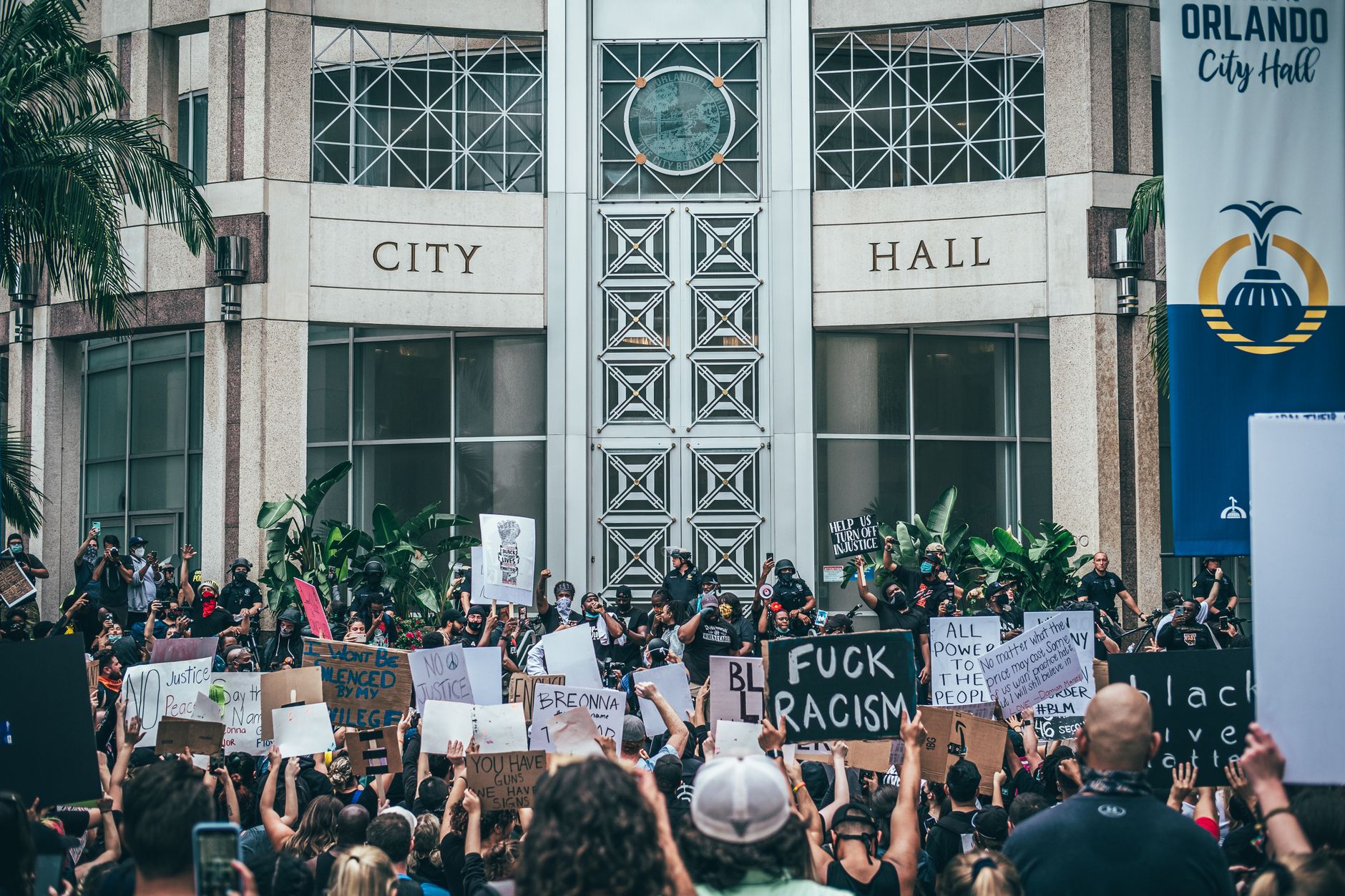
Something unexpected just happened in American politics: ordinary people figured out how to win against Silicon Valley's most aggressive expansion project. In the first quarter of 2026 alone, community organizers blocked or delayed 75 data center projects worth $130 billion. That's not a coincidence or a temporary blip. That's a movement.
For years, tech companies treated data center construction like an inevitability — show up with plans, file permits, break ground. Local governments, desperate for tax revenue and job promises, mostly rolled over. But somewhere between 2023 and now, something shifted. Communities realized they had leverage. They studied the playbook. They organized. And they started winning. The number of active opposition groups has more than doubled to 833 across 49 states. Researchers at Data Center Watch, which tracks these fights, are calling it a "structural shift" — not a temporary spike, but a fundamental change in how Americans respond to Big Tech's infrastructure demands.
What makes this moment remarkable is who's showing up to fight. This isn't a partisan issue anymore. Democrats and Republicans are sitting in the same town halls, united by concerns about water consumption, electricity costs, and what these massive facilities actually do to neighborhoods. Sociologist Tressie McMillan Cottom spent time with organizers in North Carolina and was surprised by what she found: people weren't just complaining — they were educating themselves about thermodynamics, water rights, and land use law. "I wasn't sold on data center resistance as a political possibility," she wrote in the New York Times. "Time on the ground changed my mind." These aren't activists by trade. They're your neighbors, discovering that political will actually works.
Here's what this means for you: the infrastructure that powers AI, cloud computing, and basically everything you do online is getting much harder to build. If you've noticed tech companies suddenly talking about "optimizing efficiency" or building data centers overseas, this is why. The political cost of building domestically just skyrocketed. Your electricity bills, your water access, your neighborhood's future — these are now negotiation points that communities are refusing to surrender quietly. And both political parties are noticing. Data center opposition is expected to become a midterm election issue, with candidates from both sides increasingly sympathetic to resistance movements.
The real question now is whether this momentum sticks or fades. Tech companies aren't going away — they need computing power, and they need it close to American users. But the days of building without real community consent appear to be over. What started as scattered protests in a few states has become an organized, cross-partisan movement with a proven playbook. Communities have discovered their power. The question is whether they'll use it to negotiate better terms, or whether this becomes an all-out standoff between local control and Silicon Valley's infrastructure ambitions. Either way, the era of automatic approval is finished.