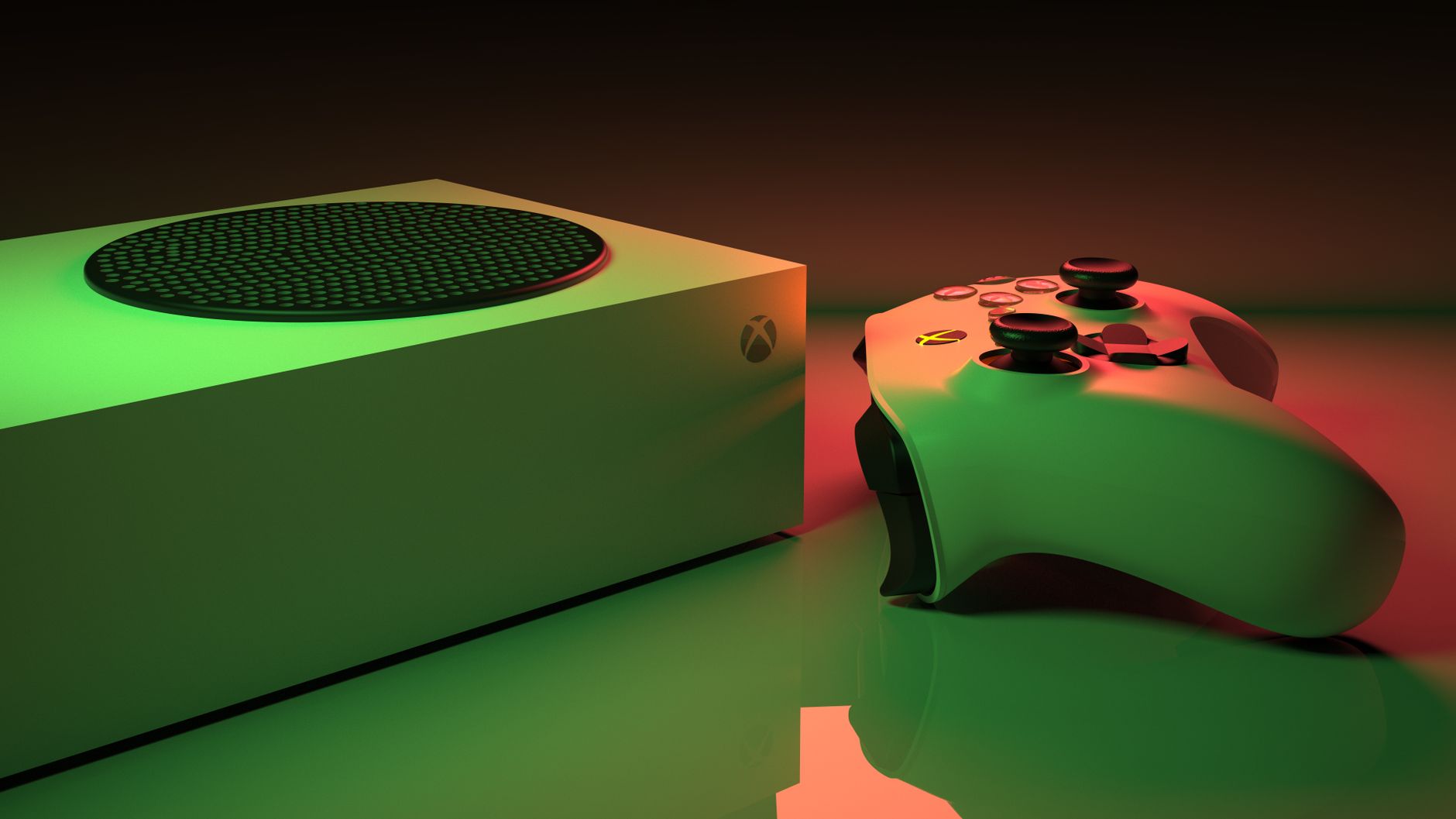
Microsoft is quietly considering one of the most dramatic moves in gaming history — breaking Xbox free from the company that created it. According to reports, new Xbox CEO Asha Sharma and Microsoft CEO Satya Nadella are exploring options that range from converting Xbox into a separate subsidiary to spinning it off entirely, possibly even selling it to another buyer. Nothing is happening tomorrow, but the fact that these conversations are happening at all signals something profound about how the gaming division's future is being reconsidered.
This didn't happen in a vacuum. Xbox has been bleeding money for years, and the division's struggles have only intensified as console sales decline and Game Pass subscriber growth plateaus. Microsoft's broader gaming ambitions — particularly its $69 billion Activision Blizzard acquisition — haven't delivered the blockbuster returns executives expected. Meanwhile, Sony's PlayStation remains the market leader, and Nintendo dominates the casual space. Xbox needed a reset, and Satya Nadella apparently decided that reset might mean letting Xbox operate as its own entity, free from the constraints and budget pressures of being buried inside a software and cloud computing giant.
Here's what makes this fascinating: Asha Sharma, the new Xbox boss, has already won approval to pour serious money into reviving Microsoft's most iconic franchises. Halo hasn't released a mainline entry since 2021. Fallout's last major installment was 2015's Fallout 4. These are franchises that built Xbox's identity, and Sharma is betting that a blockbuster Halo or Fallout could reverse the division's fortunes. She's also locked down exclusives like Gears of War: E-Day and Clockwork Revolution. But here's the catch — this investment strategy comes at the cost of smaller studios and experimental titles that haven't hit sales targets. It's a high-risk, franchise-focused bet.
For Xbox players, this restructuring could actually be good news. A standalone Xbox company would have one job: make gaming products people want to buy. It wouldn't be fighting for budget against Microsoft's cloud services or competing for executive attention with Windows updates. It could move faster, take bigger creative risks, and focus entirely on what gamers actually care about. That said, independence also means Xbox loses Microsoft's massive financial cushion — the safety net that has allowed the division to experiment and absorb losses that would kill smaller competitors. The question isn't whether Xbox can survive independently. It's whether independence would make it better.
Watch for three signals in the coming months: whether major franchise releases actually land and perform well, whether Microsoft's board starts seriously exploring buyers, and whether Sharma starts making moves that feel like preparation for independence — like building out her own corporate infrastructure or recruiting veteran gaming executives. A spinoff won't happen overnight, but the fact that Microsoft is even considering it suggests the company has lost patience with Xbox as a traditional division. The next chapter of gaming's most ambitious console maker might look completely different.