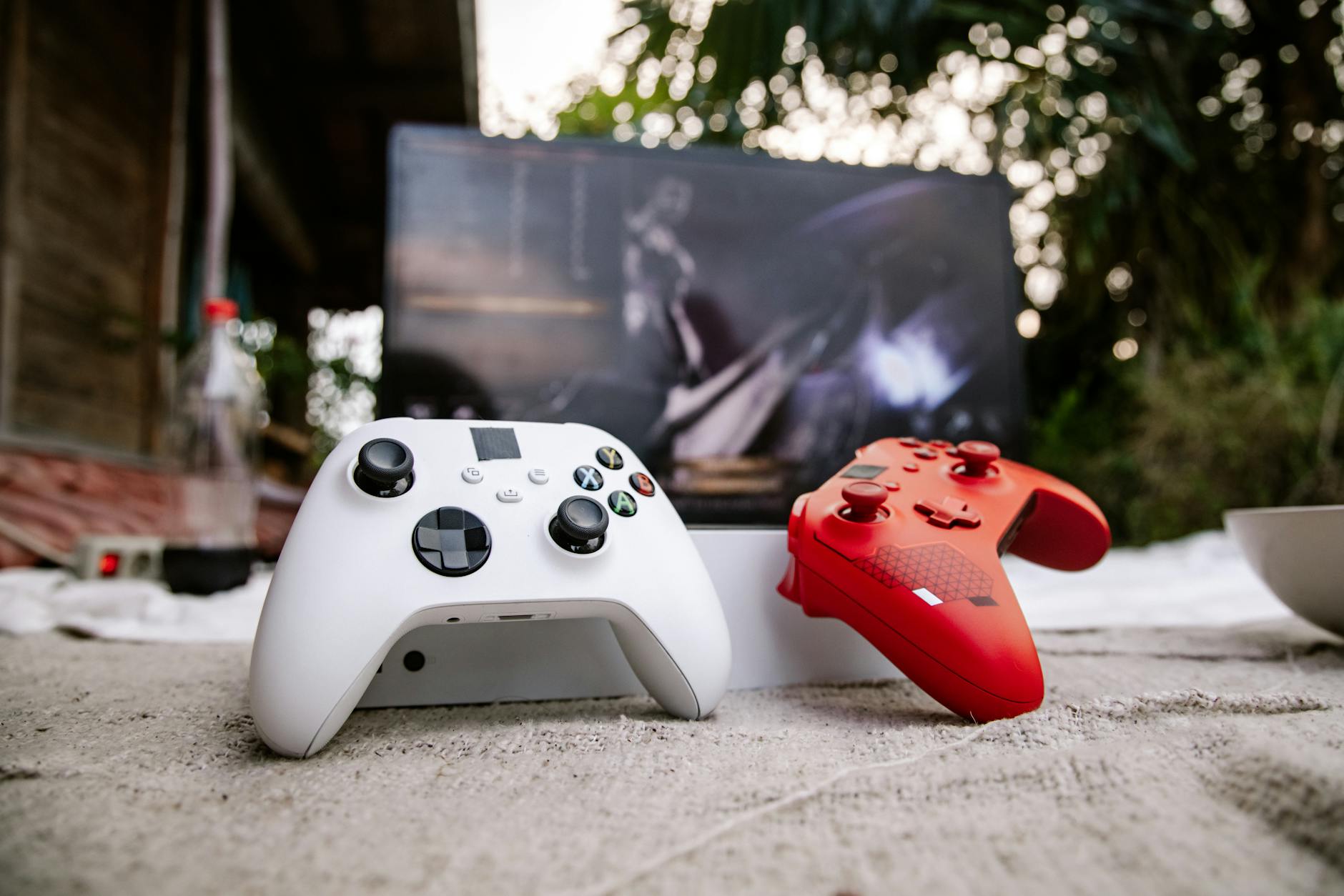
Microsoft is quietly considering something that would've been unthinkable five years ago — breaking up Xbox. The gaming division that once seemed destined to be Microsoft's answer to PlayStation is now on the table for dramatic restructuring, including the possibility of spinning it off entirely as a separate company or even selling it outright. Nothing's happening tomorrow, but the fact that this is being discussed at all signals something deeper: Xbox is in trouble, and Microsoft is running out of patience.
Here's the context. Xbox has been bleeding money for years. The console market has shifted. Game Pass, once hailed as the future of gaming, hasn't generated the revenue Microsoft hoped. And competition from PlayStation and Nintendo remains fierce. Meanwhile, smaller Xbox studios have underperformed, and the company's flagship franchises—Halo and Fallout—have been dormant for years (Halo's last release was 2021; Fallout 4 launched in 2015). New Xbox CEO Asha Sharma inherited a division that needed radical change. Instead of gradual fixes, Microsoft leadership under Satya Nadella is apparently willing to consider radical ones.
What makes this fascinating is what it reveals about corporate strategy. By exploring a spin-off, Microsoft gains leverage in multiple directions. It could become a wholly owned subsidiary (giving it more autonomy), a joint venture with another partner (sharing risk), or a completely independent company (raising capital separately). Each option sends a different message to investors, developers, and competitors. The fact that selling Xbox entirely hasn't been ruled out? That's the real headline. Microsoft is essentially saying: if this doesn't work, we're willing to walk away. That kind of clarity forces everyone—including the Xbox team—to perform or face consequences.
For gamers and developers, this uncertainty cuts both ways. Sharma has won approval to pour serious money into tentpole franchises like Halo and the upcoming Gears of War: E-Day and Clockwork Revolution, both locked as Xbox exclusives. That's a genuine vote of confidence in the platform's future. But smaller studios and experimental projects are getting the axe. If you're a developer who just signed with Xbox, you're probably nervous. If you're a player who loves niche games, you should be watching this closely. A spin-off could actually give Xbox more aggressive independence to take risks—or it could mean cost-cutting and consolidation.
The next 12 to 24 months will be critical. Sharma needs Halo and Fallout to land as system-sellers. Game Pass needs to prove it can be profitable at scale. And Microsoft needs to show Wall Street that gaming is worth keeping around, whether as a wholly owned subsidiary or an independent entity. Everything else—the restructuring, the potential spin-off, the possibility of a sale—flows from those results. Xbox isn't dead. But it's definitely at an inflection point, and Microsoft's willingness to consider breaking it apart is proof that the company is serious about fixing it, one way or another.