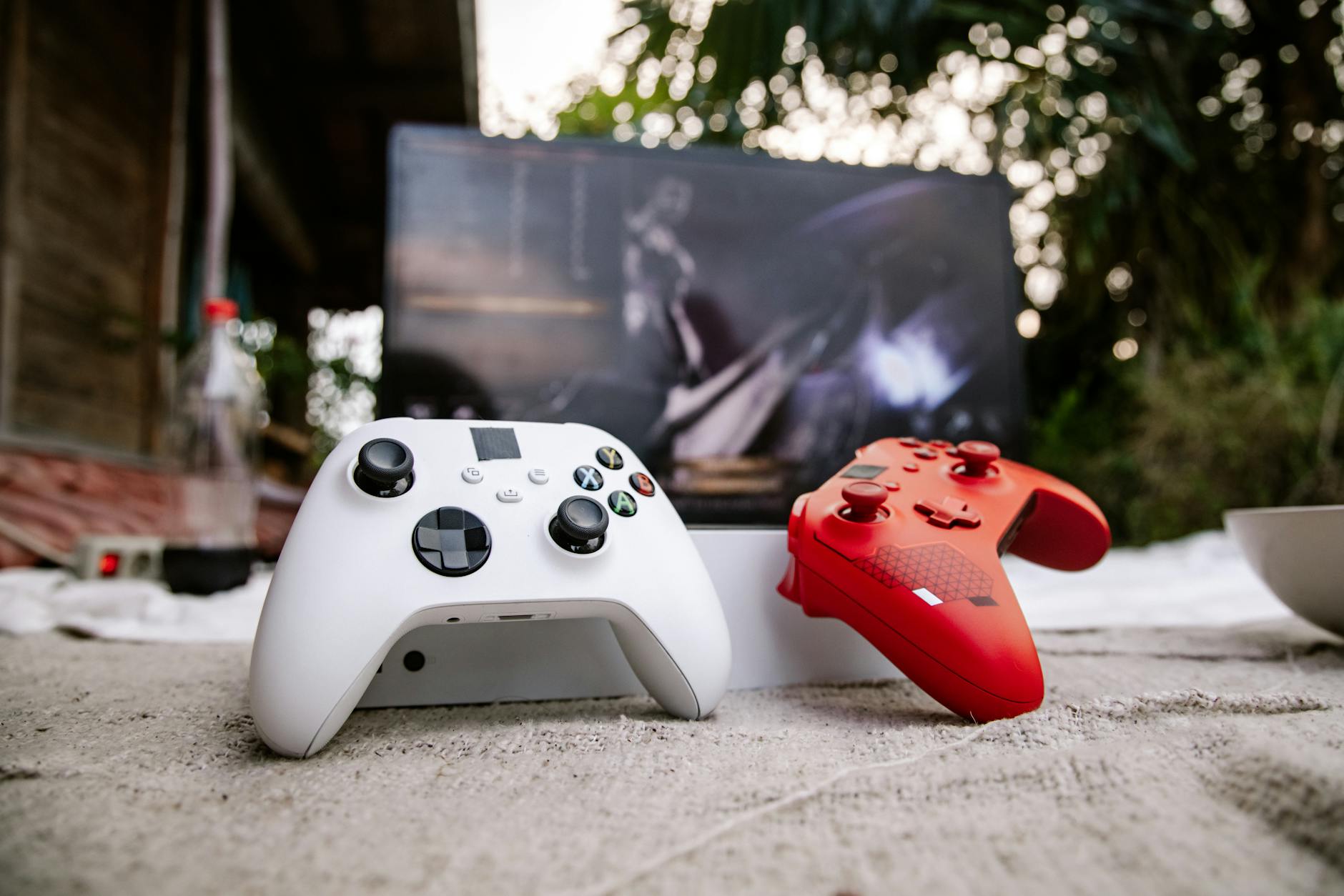
Microsoft is seriously considering breaking up Xbox. Not as a joke, not as a hypothetical — but as an actual strategic option on the table right now. According to reporting from The Information, the software giant has been weighing whether to spin off its gaming division entirely, turn it into a separate subsidiary, or even sell it off completely. This isn't some distant future scenario either. It's happening now, under the leadership of new Xbox CEO Asha Sharma and Microsoft's overall boss Satya Nadella.
Here's the context: Xbox has been a crown jewel of Microsoft's empire for over two decades, but it's also become increasingly complicated to manage. The gaming industry has fundamentally shifted — mobile gaming dominates, subscription services are eating into traditional console sales, and competing with PlayStation and Nintendo requires constant, expensive innovation. Microsoft's tried to adapt by pushing Game Pass, acquiring studios like Bethesda, and chasing the "games as a service" model. But the math hasn't worked out the way executives hoped. So now they're asking the uncomfortable question: Should we keep doing this, or should we let someone else run with it?
The fascinating part is what's happening simultaneously. Sharma just won approval to dump serious money into Microsoft's biggest franchises — Halo, Fallout, and exclusive titles like Gears of War: E-Day. These are the crown jewels meant to justify Game Pass subscriptions and drive console sales. But this investment is coming at a cost. Smaller studios are getting cut. Experimental games that didn't hit sales targets are getting killed. It's a classic corporate move: consolidate around winners, eliminate the rest. Which means Microsoft is basically saying, "We're going to make Xbox more profitable and focused, but we're also exploring whether we should own it at all." Those two things are sending very different signals.
If you're someone who games on Xbox or relies on Game Pass, this matters more than you might think. A spinoff could mean better strategic focus and faster decision-making — no more waiting for approval from Redmond bureaucracy. But it could also mean higher subscription costs, fewer experimental games, and a company that's more desperate to hit quarterly numbers. For game developers, a separated Xbox could be either a partner that finally understands their world, or one that's under pressure to cut costs in ways that hurt creativity. And for the broader gaming industry, it signals that even Microsoft isn't convinced the traditional console business is worth the headache anymore.
What to watch: Nothing's happening tomorrow. But the fact that this conversation is happening at all tells you Microsoft is genuinely uncertain about gaming's future. Will Asha Sharma prove she can turn Xbox around with a focused, blockbuster-driven strategy? Will Game Pass finally become the Netflix-of-games that justifies everything? Or will Microsoft decide the gaming business is just too unpredictable for a company obsessed with cloud computing and AI? The next 18 months will answer that question.