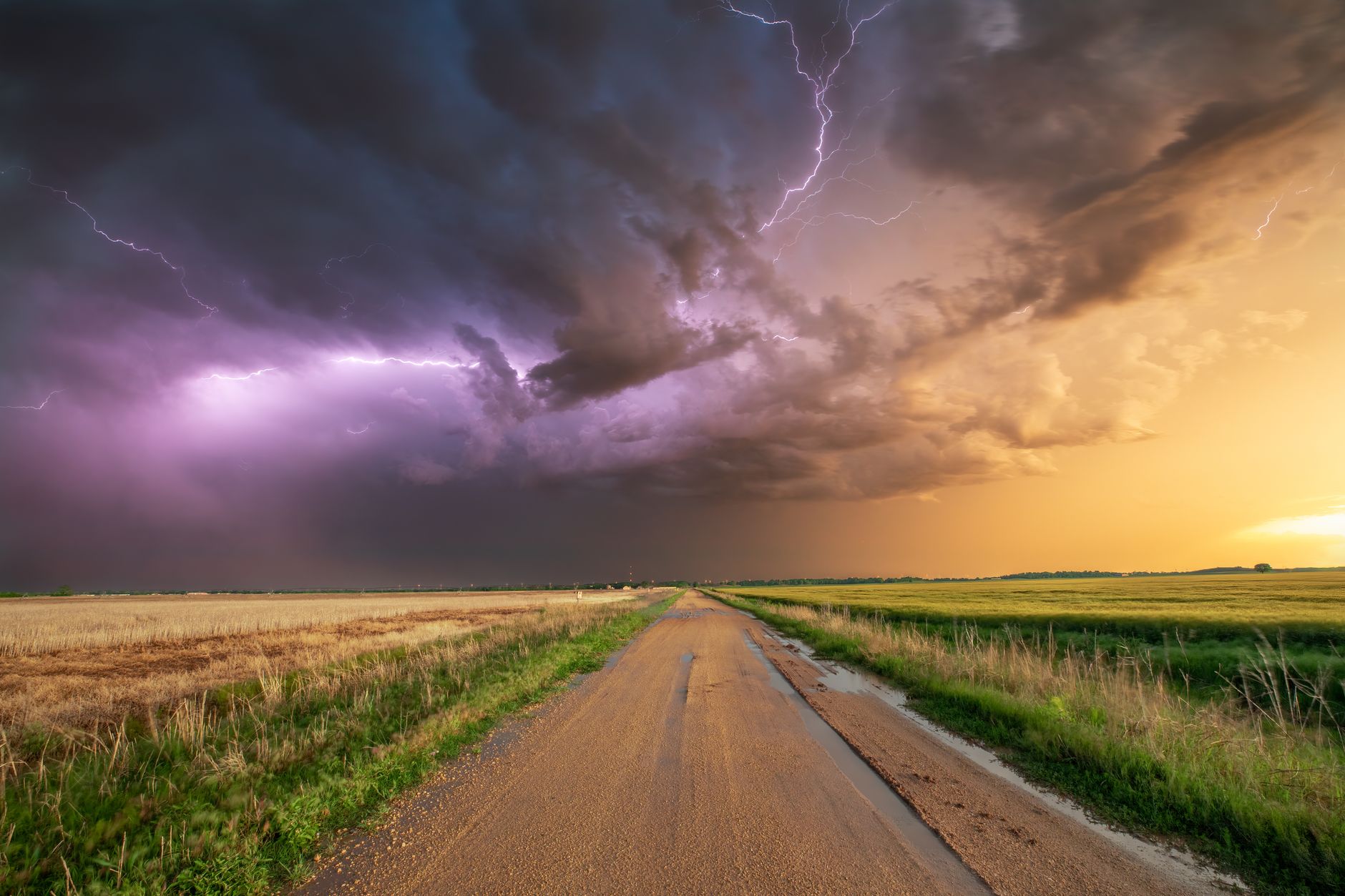
A tornado watch is actively in effect across multiple regions of the United States, and meteorologists are urging Americans to take this seriously. Unlike a tornado warning — which means a twister has been spotted or detected on radar — a watch means conditions are ripe for tornadoes to form. The difference matters enormously when you're deciding whether to stay put or seek shelter.
Tornado season peaks in spring, particularly from March through June, when warm, moist air from the Gulf of Mexico collides with cold, dry air from Canada. This atmospheric clash creates the perfect recipe for severe thunderstorms capable of spawning tornadoes. The National Weather Service issues watches across broad geographic areas — sometimes covering multiple states — when forecasters detect the atmospheric ingredients needed for tornado development. A watch typically lasts several hours and serves as your first warning signal to stay alert.
What makes tornado watches particularly nerve-wracking is the unpredictability factor. Meteorologists can identify the general area where tornadoes might form, but pinpointing exactly where and when remains notoriously difficult. A watch covering your county doesn't guarantee a tornado will touch down nearby — but it means you should be ready to act instantly if one does. Modern radar technology and storm-chasing networks have improved warning times, but you typically get only 10-15 minutes between when a tornado warning is issued and when it could arrive at your location. That's why preparation during a watch phase is critical.
For most Americans, a tornado watch means keeping your phone nearby with weather alerts enabled, checking the forecast frequently, and knowing where your safe room is — ideally an interior room on the lowest level of your building, away from windows. If you live in a mobile home, now's the time to know your evacuation route. Those in tornado-prone regions like Oklahoma, Kansas, and Missouri treat watches with the same seriousness as hurricane warnings in coastal states. Schools sometimes dismiss early, and outdoor events get postponed. The economic impact alone — from business closures and emergency preparations — runs into millions during active watch periods.
As climate patterns continue shifting and severe weather events become more intense, tornado watches may become more frequent in regions that haven't historically experienced them. Staying informed isn't just smart — it could save your life. Keep your weather app updated, sign up for emergency alerts from your local National Weather Service office, and take every watch seriously, even if nothing happens in your immediate area. The tornado that spares your town today might not spare your neighbor's tomorrow.