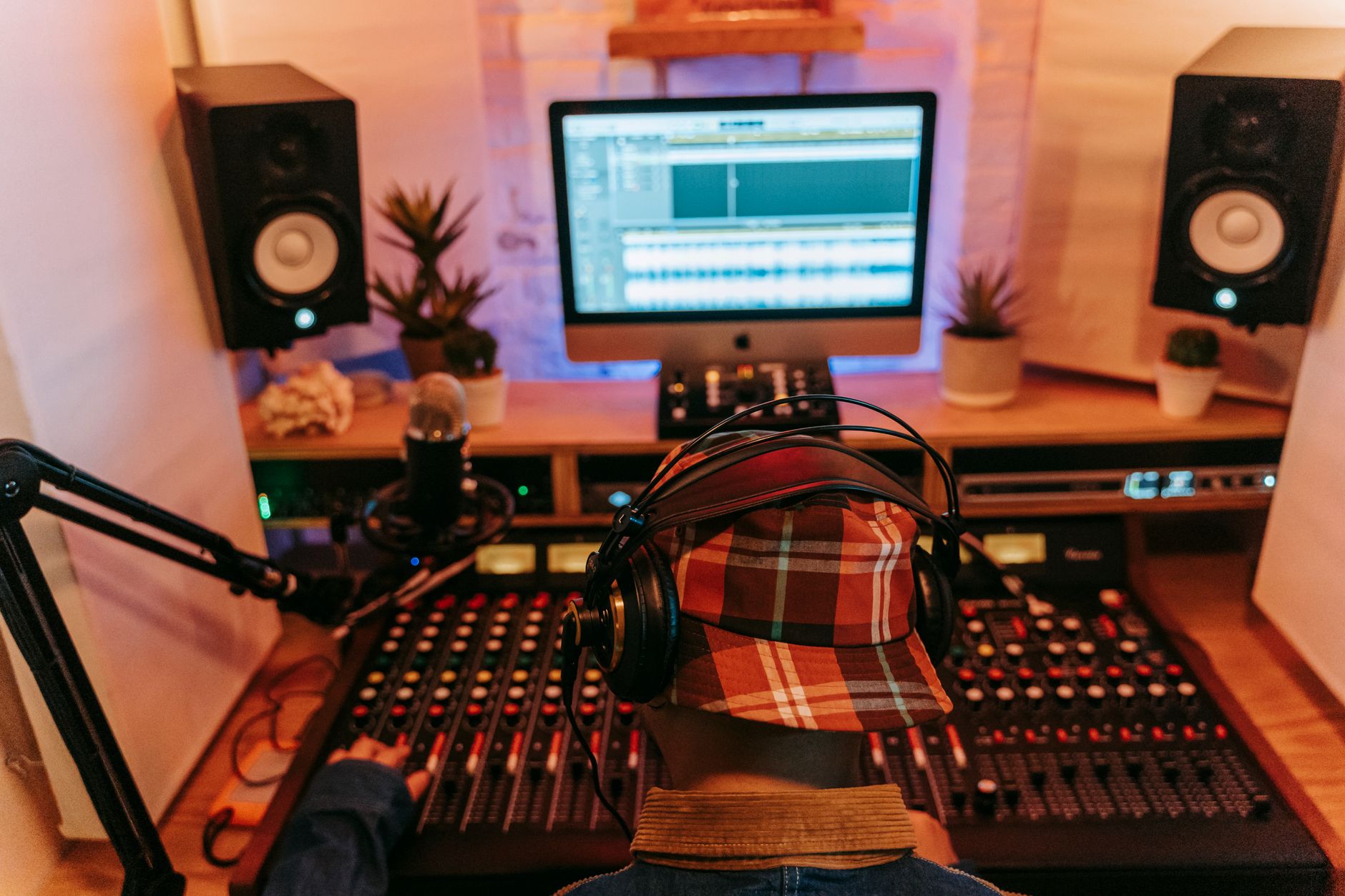
Mike Rugnetta has built an enviable career doing what most people can't manage once: hosting a critically acclaimed podcast about the internet, running a tabletop RPG show, producing educational content for major platforms, and somehow still finding time to be a working musician and audio engineer. But ask him what his most indispensable tool is, and his answer might surprise you. It's not the expensive audio interface he fires up every morning. It's a pair of Sony headphones he's owned for two decades.
The Never Post cocreator and host isn't being sentimental. He's making a point about trust, reliability, and the creative tools that actually matter in a world obsessed with the newest gear. "I trust them more than some people I've known for as long," he says of his MDR-7506s, which have survived 20 years of daily use and are only now starting to show their age. This isn't the perspective of someone who doesn't understand audio equipment—Rugnetta mixes nearly everything on those headphones, a practice that would horrify some traditional audio engineers. But he's in good company. Mixing engineer Andrew Scheps, one of the most respected in the industry, does the same thing. The difference? Rugnetta keeps the same pair for decades. Scheps replaces his regularly. Both get professional results.
What's fascinating here is what Rugnetta's choice reveals about modern creative work. We're drowning in gear recommendations, upgrade cycles, and the constant pressure to buy the latest equipment. The podcast and YouTube ecosystem that made Rugnetta famous thrives on this—creators constantly reviewing new mics, new interfaces, new software. But Rugnetta's real insight cuts through all that noise: the most underappreciated tool in any creative's arsenal isn't gear at all. It's reliable power. Not metaphorically. Literally, electricity. He's currently battling his landlord and Con Edison because his New York City studio building is operating on dangerously low voltage—hovering around 107-114V when it should be 122V. His climate control won't run. His equipment operates at the edge of its tolerance. It's a reminder that no amount of premium audio gear matters if the infrastructure powering it is failing.
For anyone working in creative fields—whether you're recording podcasts from a home studio, streaming content, or running any kind of digital operation—this is the unglamorous reality nobody talks about. Your internet connection, your electrical service, your backup power systems: these are the actual bottlenecks. A $5,000 microphone is useless if your power keeps dropping. A state-of-the-art audio interface becomes a paperweight in a brownout. Rugnetta's frustration with Con Edison isn't just personal venting; it's a window into the infrastructure crisis that's quietly constraining creative work across America, especially in older buildings in major cities. The grid isn't sexy. It doesn't get sponsored by gear companies. But it's what everything else depends on.
There's a broader lesson here about what actually matters in creative work versus what we're convinced should matter. Rugnetta brings up the death of the headphone jack—Apple's removal of it from iPhones sparked years of debate—and frames it as "evidence of our societal collapse." It's partly tongue-in-cheek, but there's real frustration underneath. We're removing useful, universal tools in favor of proprietary solutions. We're obsessing over marginal improvements while ignoring fundamental infrastructure. His 20-year-old headphones still work perfectly. His building's electrical system doesn't. Which one actually represents progress? As more creators and workers depend on reliable power for their livelihoods, questions about infrastructure and reliability might matter more than the next shiny piece of gear.